
What a new study reveals about why trainers choose to work with people with disabilities.
If you ask an adaptive fitness trainer why they do what they do, you’ll almost always hear a personal story.
A family member had a disability. Maybe they have a disability themselves. Maybe they volunteered at an adaptive sports event. Maybe a client with Parkinson’s disease walked into their gym. Maybe a child with autism joined their program. Or maybe a wheelchair user asked for help, and they suddenly realized they didn’t know enough.
As it turns out, that pattern isn’t just anecdotal.
A recent qualitative research study1 examining the experiences of fitness professionals who completed disability-specific certifications found that every participant’s journey into adaptive fitness began with a personal connection to disability.
The adaptive fitness education wasn’t the catalyst. The human connection was.
Exposure to People with Disabilities is a Significant Life Experience
In the study, “Fitness Professionals’ Perspectives on Disability-Specific Fitness Certifications,” the researchers interviewed fitness professionals from across North America who had completed adaptive fitness certifications and explored the motivations for pursuing that education. The answer was remarkably consistent.
In every case, exposure came first, and education followed.
That shouldn’t surprise us. Most people don’t become passionate about an issue until it becomes personal. Once disability stopped being an abstract concept and became a real person with real goals, real barriers, and real aspirations, these professionals wanted to learn more. They wanted to become better coaches because they genuinely cared about the person in front of them.
For researcher Matt Lowery, PhD student at the University of Virginia, the findings also point to a bigger question: How do we stop waiting until that first interaction happens?
Matt shared with us:
“I am most interested in how we make the educational process proactive instead of reactive, before the person with a disability enters the room, and before negative experiences occur. And I think collaboration within your community is the first step.”
Waiting until a person with a disability walks through your door to begin learning is already too late. The goal should be to build knowledgeable, confident, and inclusive professionals before that first interaction ever takes place.
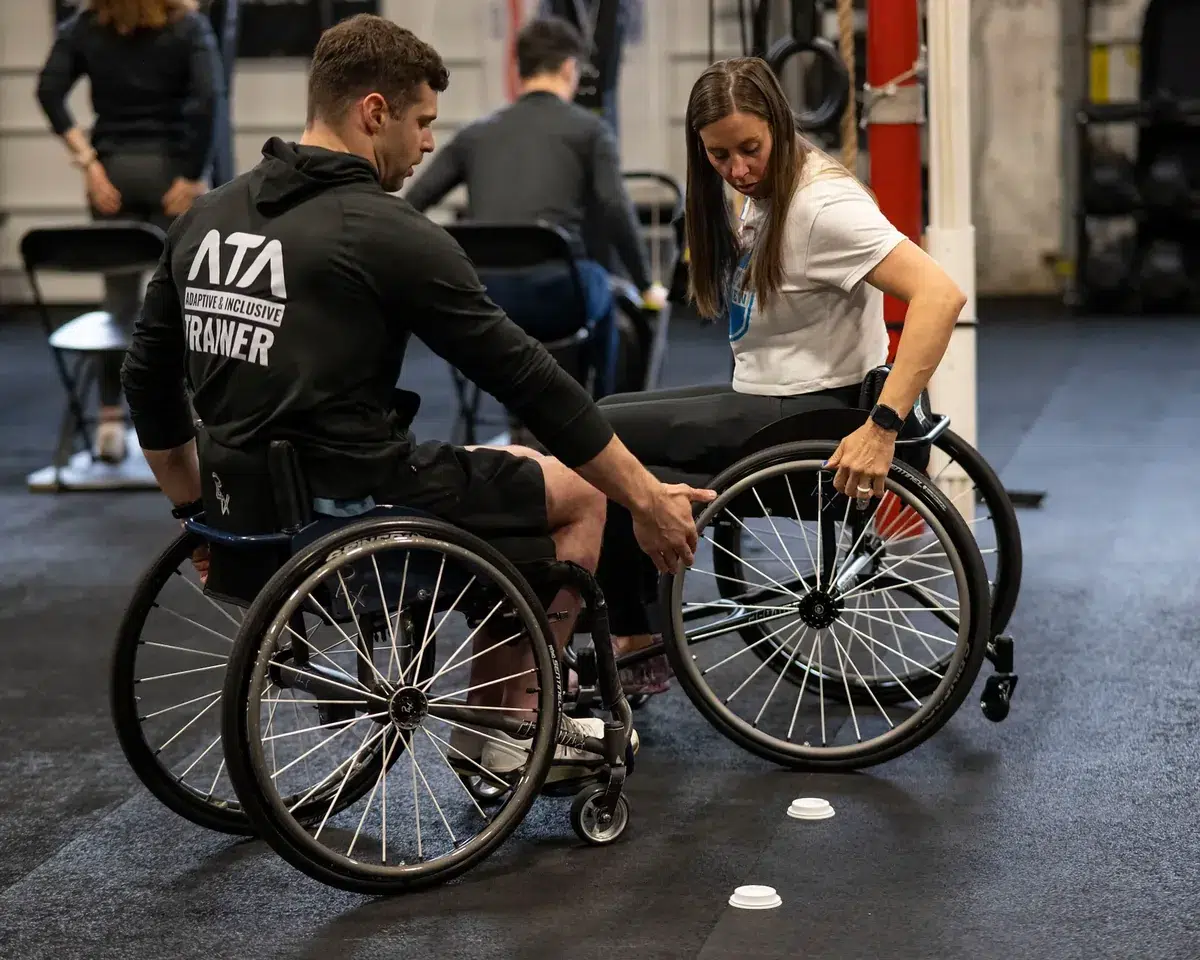
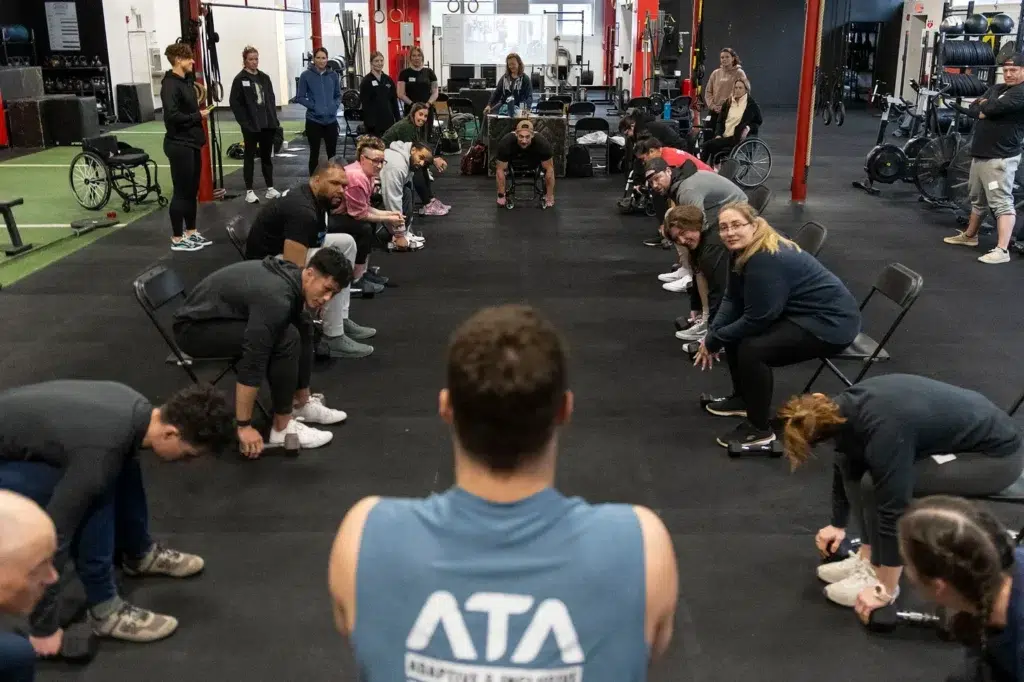
A trainer practices wheelchair use under the mentorship of the ATA Seminar Staff member Tom Miazga (Paralympian) at an ATA seminar.
Get Proximate to People Who Need You
This finding reinforces something we’ve been saying at Adaptive Training Academy for years: Get proximate to the people who need you.
How? Volunteer at an adaptive sporting event. Attend a wheelchair basketball game. Watch the Paralympics. Visit a para powerlifting competition. Intern at an adaptive fitness class.
Because exposure changes perspective.
Throughout the interviews, researchers found the same pattern again and again: people encountered disability first, then sought education to understand how to become a better trainer. Exposure preceded expertise.
Reading this study reminded me of something chef and adventurer Anthony Bourdain understood deeply. He spent his life traveling the world because he believed that sharing experiences with people breaks down barriers and changes how we see one another.

Dining in Hanoi, 2016. Photograph by William Mebane.
One of his most famous quotes was:
“You learn a lot about someone when you share a meal together.”
There is something about sharing time together that unlocks perspective. Whether it’s over a meal or a training session, that experience strips away assumptions. You stop seeing someone’s diagnosis. You start seeing their ability. Their struggles. Their determination. Their insecurities. Their confidence. Their goals.
You stop seeing “a person with a disability.” You simply see another person. But now you have a better understanding of what it’s like to be them.
When disability is no longer something you’ve only heard about and instead becomes embodied by a person you know, your perspective shifts.
You stop thinking about accessibility in theory and start thinking about helping a real person achieve their goals. The study suggests that education often follows exposure. I think that’s true of empathy as well. When disability is no longer something you’ve only read about and instead becomes embodied by someone you know, your perspective changes.
And sometimes, that single relationship is the beginning of an entirely new career…and an entirely new purpose!
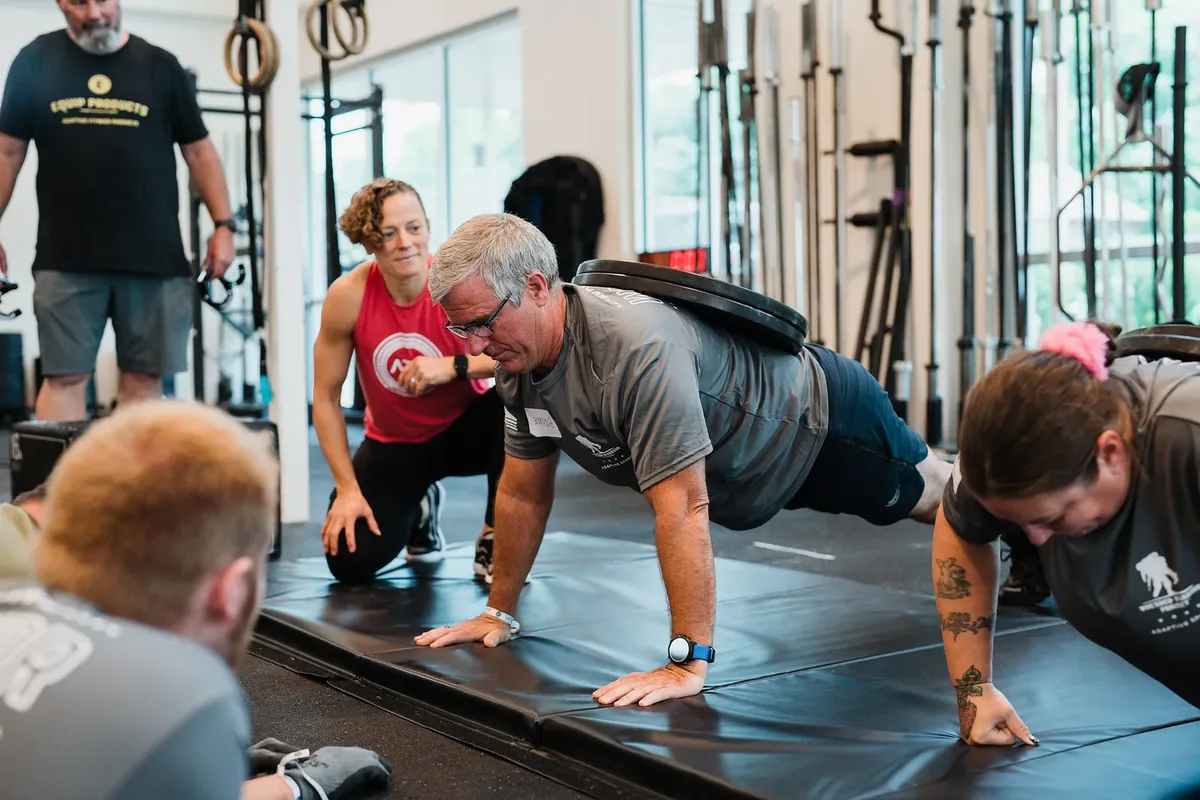
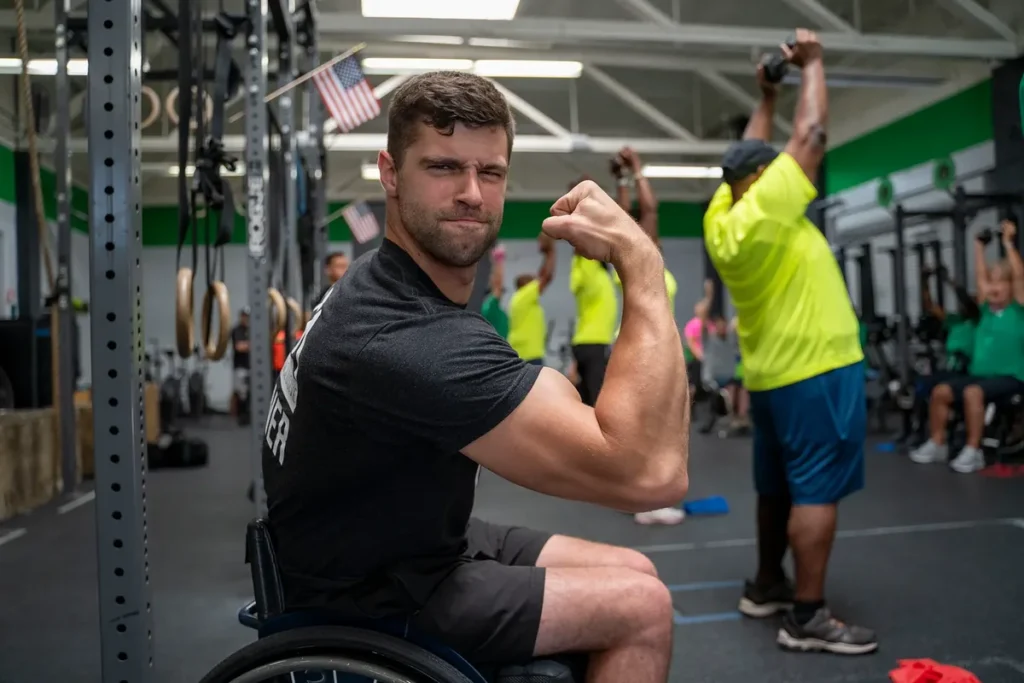
ATA Trainer Jenna Muri-Rosenthal leads a training session with Wounded Warrior Project athletes.
Notes
-
Lowery, M., Adamson, B., Fines, A., Block, M. (Paper under review) Fitness Professionals’ Perspectives on Disability-Specific Fitness Certifications. European Journal of Adapted Physical Activity
Available via link: ATA Google Drive