
Why People With Disabilities are the Largest Untapped Business Opportunity in the Fitness Industry
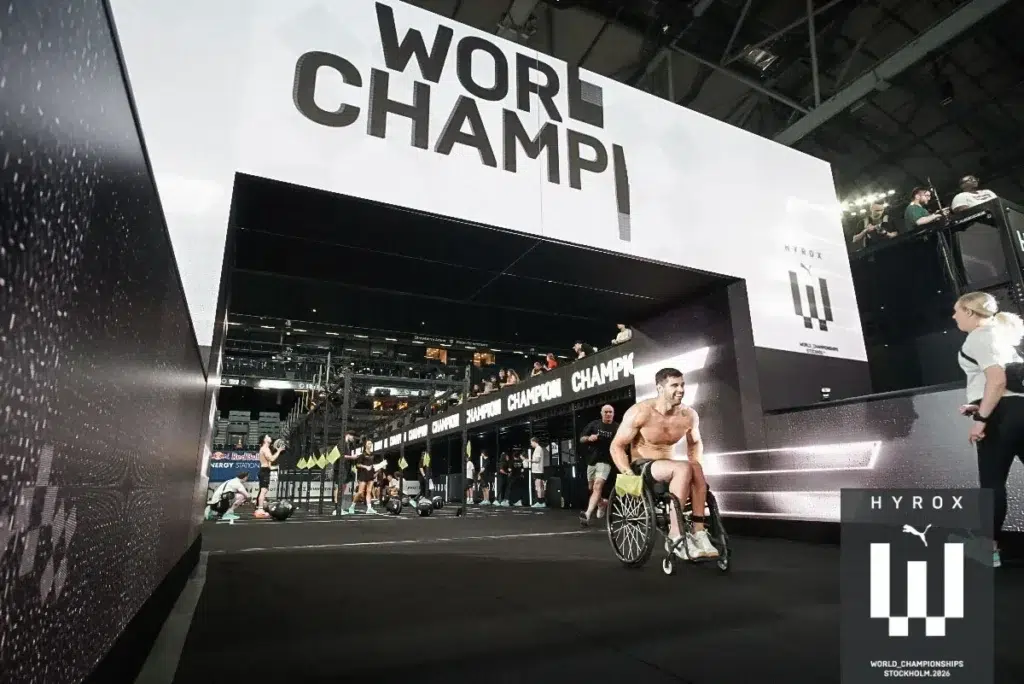
The fitness industry often talks about inclusion as a moral and social responsibility. And it is.
But what the industry rarely discusses is that serving people with disabilities (PwD) may also represent one of the biggest business opportunities in modern fitness.
For years, adaptive fitness has been viewed primarily through the lens of charity, nonprofit work, or community service. Many gym owners assume serving PwD is admirable but financially unsustainable.
That assumption is wrong.
The reality is that adaptive fitness represents a massive underserved market with extremely limited competition, high client loyalty, and exponential long-term growth.
And businesses that recognize this early may help shape the future of the fitness industry.
The Fitness Industry Is Ignoring a Massive Market
The global health and fitness club industry is estimated to generate more than $100 billion annually and is projected to grow to nearly $300 billion by 2036, while the broader wellness and fitness economy (supplements, coaching, apparel) is valued in the trillions1.
U.S. health clubs/studios generate a $22.4 billion economic impact with over 72 million Americans belonging to fitness facilities2.
Yet despite the industry’s enormous size, one of the largest populations in society remains dramatically underserved: People with Disabilities!
There are an estimated 1 in 4 Americans lives with a disability. Globally, the World Health Organization estimates more than 1.3 billion people live with disabilities, representing approximately 16% of the world’s population (it’s likely higher)34.
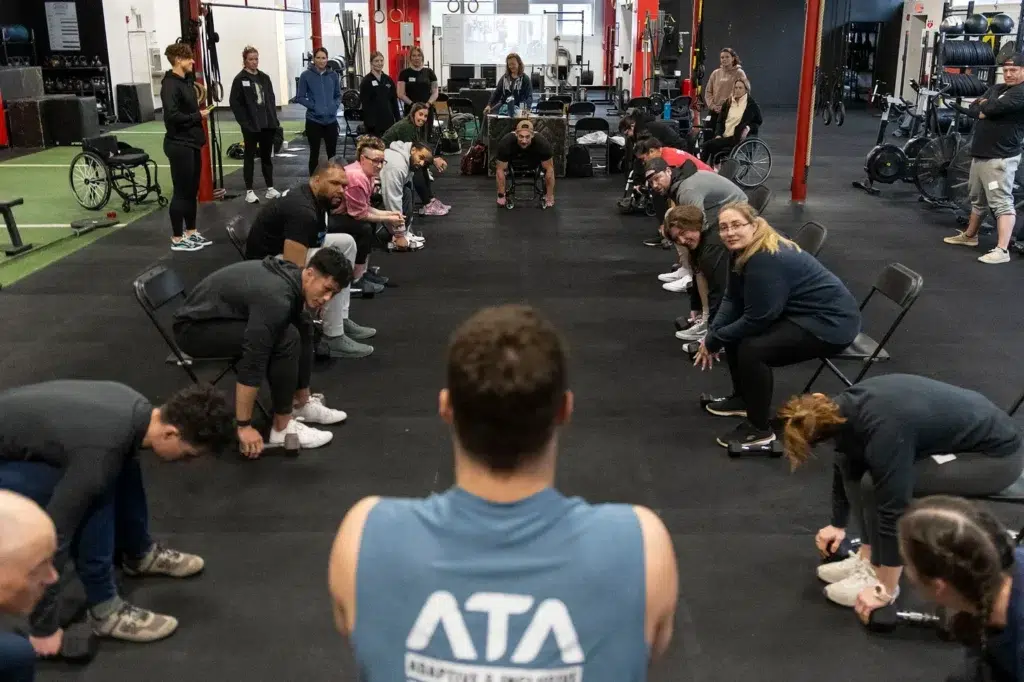
Those numbers are staggering. And yet adaptive fitness programs remain extremely rare. Most commercial gyms lack adaptive fitness education. And in large portions of the country, finding an adaptive fitness trainer or program is still nearly impossible.
From a business perspective, that creates a massive imbalance:
👉 high demand with extremely limited supply
That is not a niche market.
That is a market gap.
And that is an opportunity for businesses!
Most Gyms Are Competing for the Same Customers
Gyms operate under different business models, ranging from open-gym memberships to personal training to more individualized programming and boutique services. Most commercial gyms (like Planet Fitness and Lifetime) sell memberships and hope the members don’t come too often but keep paying (because if they all came regularly, they’d be overwhelmed), while smaller group-fitness gyms like F45, Orangetheory, and CrossFit thrive on community connection and smaller membership sizes. Yet, they all compete for the same pool of potential clients.
Meanwhile, millions of PwD remain largely excluded from the traditional fitness ecosystem altogether.
The irony is that many gym owners spend enormous amounts of effort trying to figure out how to differentiate themselves and stand out in crowded markets, increase retention, and build stronger communities.
Offering adaptive fitness can accomplish all of those things simultaneously:
✅ Differentiate 👉 Your business could be the only one in the area that serves PwD.
✅ Retain Members 👉 Provide safe and effective adaptive fitness, and your adaptive trainees may never leave because you’ve gained their trust.
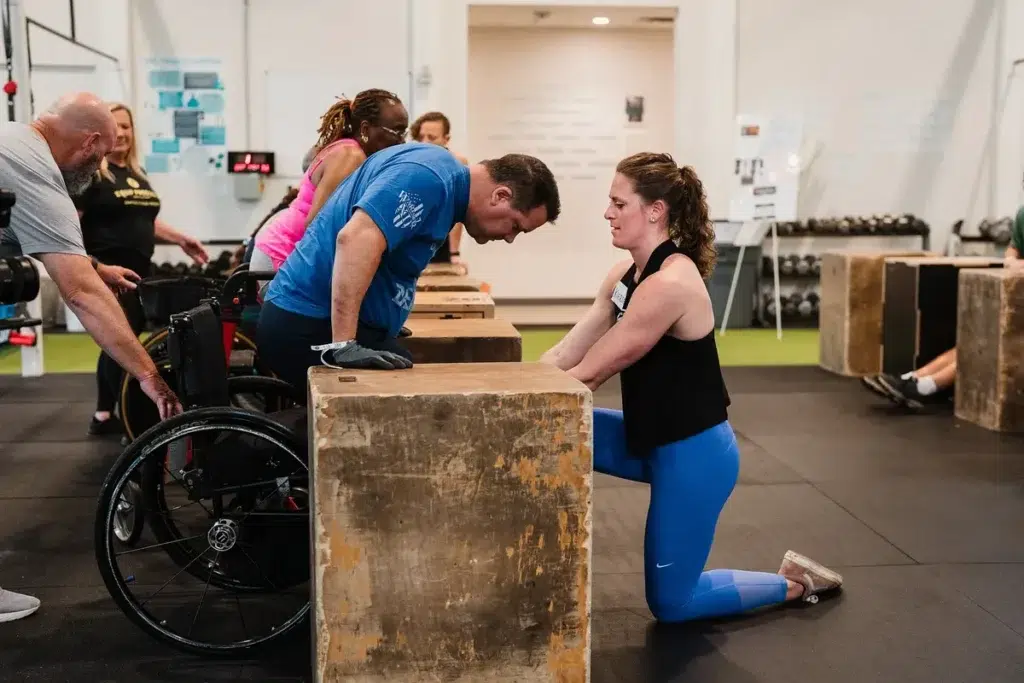
✅ Stronger Communities 👉 Gyms that successfully include people with disabilities often develop stronger cultures overall because inclusive coaching requires better communication, empathy, problem-solving, and individualized coaching, skills that ultimately improve the experience for every member5
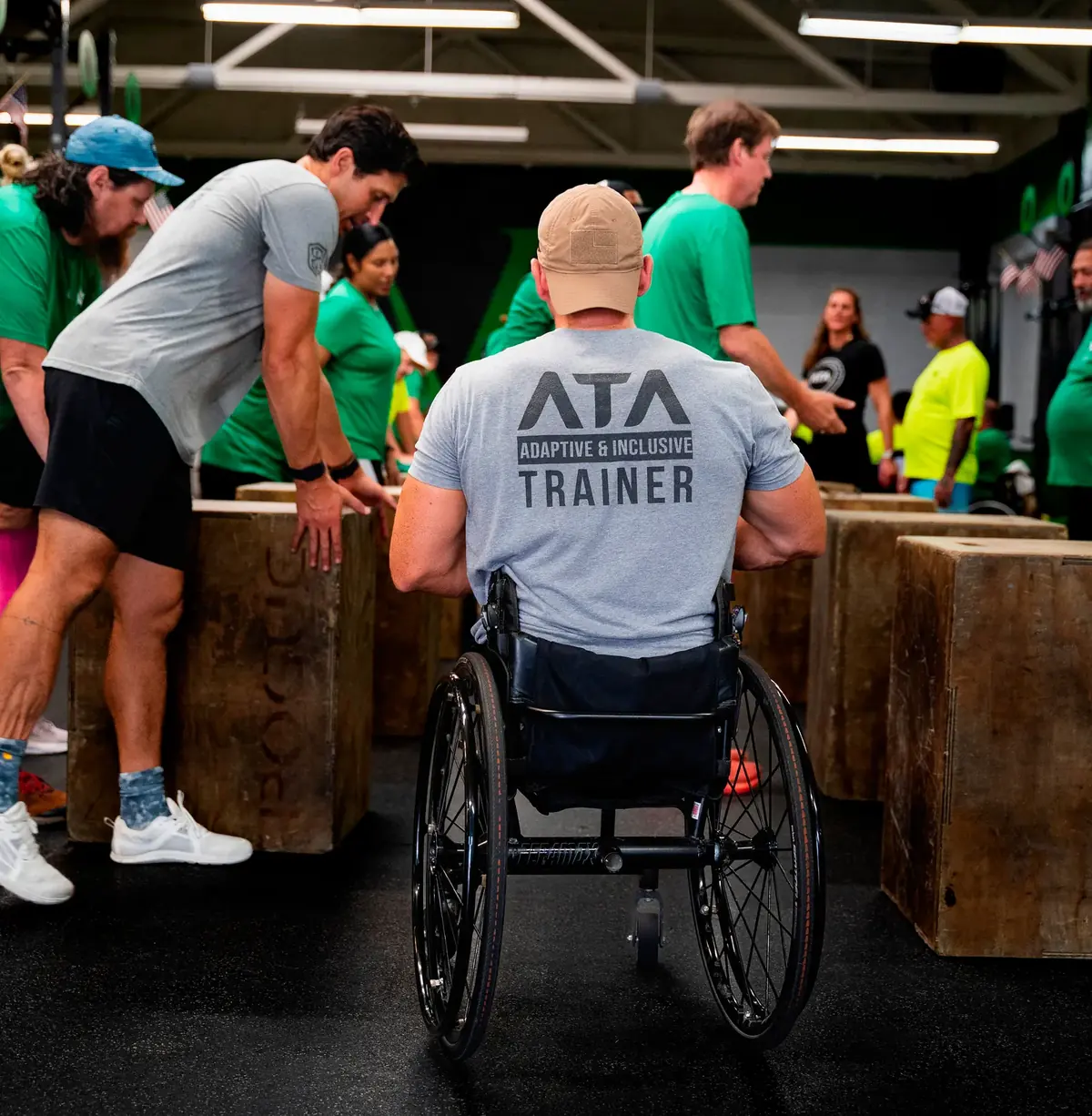
When a gym becomes known as a place that genuinely welcomes and understands people with disabilities, something powerful happens: PwD tell their friends, family, therapists, and community. And because adaptive-friendly fitness services are still relatively rare, strong programs often grow rapidly through trust and word-of-mouth referrals.
🚨 See if there are any AIT-certified trainers in your geographic area. Check out the AIT Directory & Map. If there aren’t many or any in your area…that’s your cue to get your education and start a program ASAP!
A Real-World Example: Fit To Function Recovery
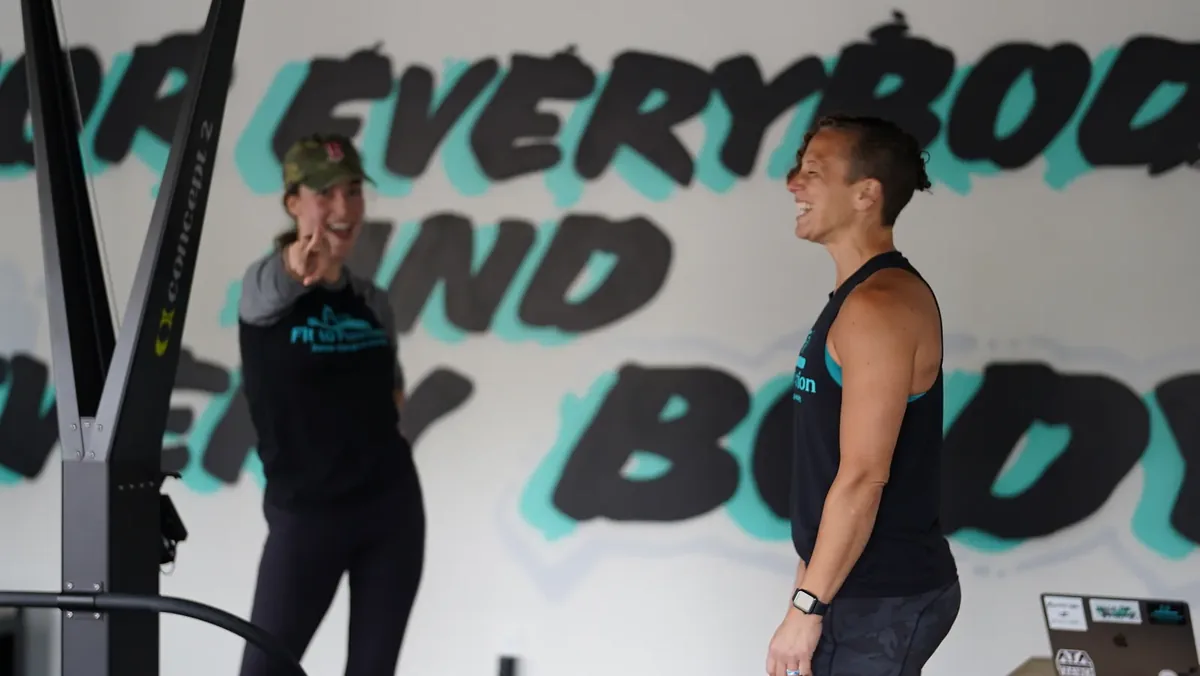
Fit To Function Recovery is one example of what happens when someone recognizes the adaptive fitness gap and chooses to solve it.
The gym was founded by Jenna Muri-Rosenthal, a brain injury specialist and speech-language pathologist who saw a major problem in the healthcare system:
👎 People with neurological conditions were leaving acute care and rehabilitation settings without long-term fitness support systems designed for their needs.
Instead of waiting for the industry to catch up, Jenna carved her own path.
She began by training people with neurological conditions one-on-one inside other gyms using standard fitness equipment and existing spaces. Over time, demand grew because the need already existed… and becuase clinicians and therapists were seeing their patients’ success and referring more and more people to Jenna.
Eventually, that growth led to the creation of her own dedicated facility.
Today, Fit To Function Recovery operates as a six-figure-revenue, profitable adaptive fitness business that serves individuals with neurological conditions and other disabilities through multiple service offerings.
The facility currently supports approximately:
-
75 one-on-one sessions per week
-
7+ AIT certified trainers
-
10+ hours of specialty classes weekly
-
4 hours of kids programming weekly
-
12 hours of group fitness classes (open to all abilities).
The demand for training at Fit To Function is growing at such a pace that Jenna has a waitlist of potential new members and is looking to expand her gym…the second time in under two years.
And perhaps most importantly, it demonstrates a critical lesson 👉 the demand for adaptive fitness already exists.
Final Thought
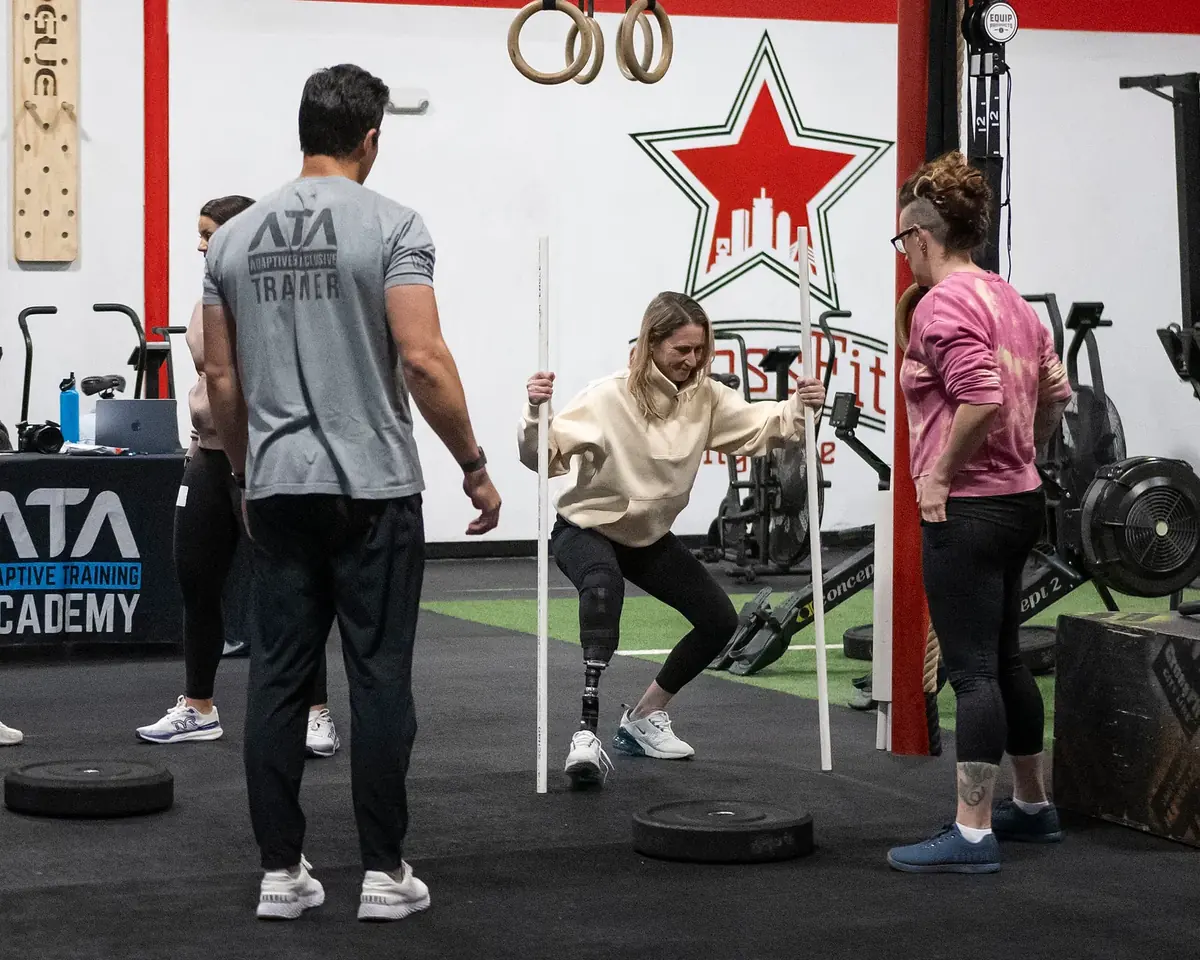
Again, the demand for adaptive fitness already exists. A large population of PwD who need fitness training from a gym just like yours already exists. What’s missing are enough educated adaptive fitness professionals and businesses willing to meet the existing need.
Inclusion is absolutely the right thing to do. But the fitness industry should stop pretending that morality and business opportunity cannot exist together. Because adaptive fitness programs can represent both.
And the organizations willing to move first may help define the future of fitness…and disability inclusion.
To quote Field of Dreams (and Wayne’s World 2)…
If you build it, they will come.

Notes
-
Future Market Insights. (2025). Health and fitness club market report. https://www.futuremarketinsights.com/reports/health-and-fitness-club-market
-
Health & Fitness Association. (2024). The U.S. health and fitness industry is a $22.4 billion economic powerhouse. https://www.healthandfitness.org/the-u-s-health-and-fitness-industry-is-a-22-4-billion-economic-powerhouse/
-
Centers for Disease Control and Prevention. (2024). Disability impacts all of us. U.S. Department of Health & Human Services. https://www.cdc.gov/disability-and-health/articles-documents/disability-impacts-all.html
-
World Health Organization. (2023). Disability and health. https://www.who.int/news-room/fact-sheets/detail/disability-and-health
-
Baylor University. (2026). Beyond inclusion: Faith, disability and the power of belonging. Baylor Connections. https://connections.web.baylor.edu/season-9/episode-915-beyond-inclusion-faith-disability-and-power-belonging
Office of Disease Prevention and Health Promotion. (2024). Social cohesion. Healthy People 2030. U.S. Department of Health and Human Services. https://odphp.health.gov/healthypeople/priority-areas/social-determinants-health/literature-summaries/social-cohesion
Smith, J., et al. (2025). Understanding the effects of social cohesion on social wellbeing. International Journal of Public Health. https://www.ssph-journal.org/journals/international-journal-of-public-health/articles/10.3389/ijph.2025.1607414/full